


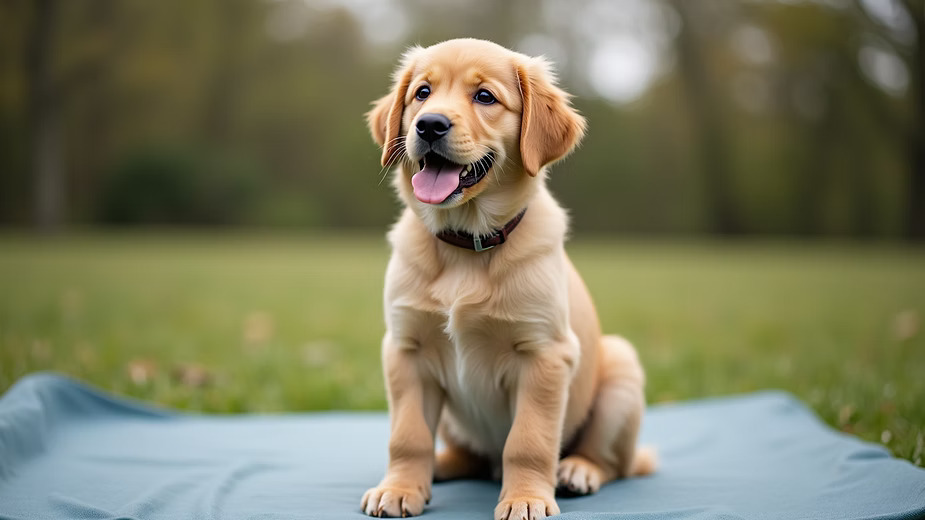
Training your dog can be one of the most rewarding experiences you share together. When you use positive dog training methods, you build trust, strengthen your bond, and encourage your furry friend to learn with joy. I’m excited to guide you through some of the best techniques that focus on kindness, patience, and clear communication. These methods not only help your dog behave well but also make training a fun and loving experience for both of you.
Why Choose Positive Dog Training Methods?
Positive dog training methods focus on rewarding good behavior rather than punishing mistakes. This approach creates a safe and encouraging environment where your dog feels motivated to learn. Instead of fear or confusion, your dog experiences happiness and confidence.
Here’s why I believe positive training is the way to go:
Builds trust and respect: Your dog learns to see you as a kind leader.
Encourages consistent good behavior: Rewards make your dog want to repeat the actions you like.
Reduces stress and anxiety: Training becomes a fun game, not a chore.
Strengthens your bond: You and your dog enjoy quality time together.
For example, when teaching your dog to sit, you can use treats or praise to reward the moment they get it right. This positive feedback helps them understand exactly what you want.
Dog sitting attentively during positive training session
How to Get Started with Positive Dog Training Methods
Starting with positive dog training methods is easier than you might think. It’s all about consistency, timing, and clear communication. Here’s a simple step-by-step guide to help you begin:
Choose the right rewards: Find what your dog loves most—treats, toys, or affection.
Keep training sessions short and sweet: Aim for 5-10 minutes to keep your dog’s attention.
Use a clear cue or command: Words like “sit,” “stay,” or “come” should be consistent.
Reward immediately: Give the reward right after the desired behavior to make the connection clear.
Be patient and positive: Celebrate small wins and avoid frustration.
For instance, if your dog is learning to come when called, use a happy tone and reward them with a treat the moment they reach you. This positive reinforcement encourages them to come back every time.
Remember, every dog learns at their own pace. Celebrate progress, no matter how small!
What is the 7 7 7 Rule for Dogs?
The 7 7 7 rule is a helpful guideline to keep training sessions effective and enjoyable. It suggests:
7 minutes of training per session
7 sessions per day
7 days a week
This rule helps maintain your dog’s focus and prevents burnout. Short, frequent sessions keep your dog engaged and eager to learn. It also fits well into busy schedules, making training a regular part of your day.
For example, you might do a quick 7-minute session in the morning, another after lunch, and one more in the evening. This steady routine helps reinforce commands and behaviors consistently.
Dog eagerly waiting for a treat during positive reinforcement training
Practical Positive Reinforcement Dog Training Techniques You Can Use Today
Now, let’s dive into some practical techniques that you can start using right away. These methods are simple, effective, and based on kindness.
- Clicker Training
Clicker training uses a small device that makes a clicking sound to mark the exact moment your dog does something right. The click is immediately followed by a reward. This clear signal helps your dog understand what behavior earned the treat.
Start by clicking and rewarding to build a positive association.
Use the click to mark good behavior like sitting or lying down.
Gradually add commands after your dog understands the click means “good job.”
- Treat Lures
Using treats as lures helps guide your dog into the desired position or action.
Hold a treat close to your dog’s nose.
Move the treat slowly to encourage your dog to follow it.
For example, to teach “sit,” move the treat above your dog’s head until they sit naturally.
Reward immediately when they perform the action.
- Verbal Praise and Affection
Sometimes, a warm voice and gentle petting are the best rewards.
Use enthusiastic words like “Good boy!” or “Well done!”
Combine praise with petting or belly rubs.
This technique works well for dogs motivated by attention and affection.
- Rewarding Calm Behavior
Positive reinforcement isn’t just for tricks. Reward your dog when they are calm and relaxed, especially in situations that usually excite or stress them.
Give treats or praise when your dog stays calm during a walk or around visitors.
This encourages your dog to repeat calm behavior in the future.
- Avoiding Negative Reinforcement
Focus on what you want your dog to do, not what you want to stop. Instead of punishing bad behavior, redirect your dog to a positive action and reward that.
For example, if your dog jumps on guests, ask them to sit instead and reward the sitting behavior.
By using these techniques, you create a positive learning environment that encourages your dog to thrive.
Tips for Maintaining Consistency and Patience in Training
Consistency is key to successful training. Here are some tips to keep you and your dog on track:
Use the same commands and cues: Everyone in the household should use the same words.
Train in different environments: Practice at home, in the park, and other places to generalize behavior.
Be patient: Dogs learn at different speeds. Celebrate progress, not perfection.
Keep a training journal: Track what works and what needs more practice.
End on a positive note: Always finish sessions with a success and a reward.
Remember, your calm and positive attitude will inspire your dog to stay motivated and happy.
Growing Together with Positive Reinforcement Dog Training Techniques
Training your dog with kindness and encouragement is a journey you both will enjoy. By mastering these positive dog training methods, you’re setting your dog up for a lifetime of good behavior and happiness. Whether you’re teaching basic commands or addressing specific challenges, these techniques build a strong foundation of trust and respect.
If you want to explore more about positive reinforcement dog training techniques, you’ll find plenty of resources and support to help you along the way.
Your dog is ready to learn, and with your loving guidance, there’s no limit to what you can achieve together. Keep practicing, stay patient, and celebrate every success. Your dog will thank you with wagging tails and joyful companionship.
Happy training!